Advisor Network
An advisor network from major international banks
Every partner has traded on a Wall Street desk — and sat on the other side of the table in Chinese companies' IPO projects.
Home/Advisor Network
Every partner has traded on a Wall Street desk — and sat on the other side of the table in Chinese companies' IPO projects.
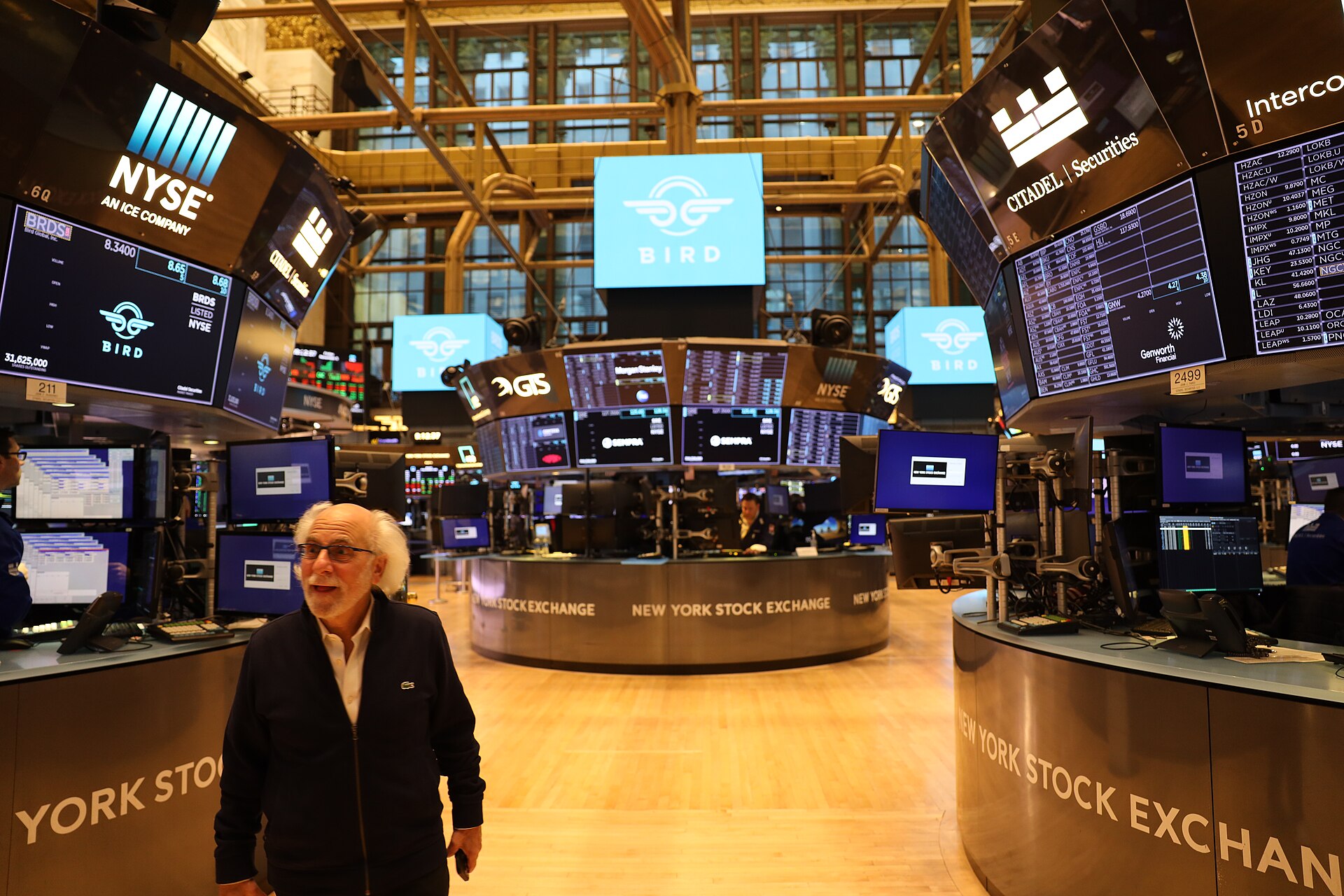
Who we recommend matters less than who does the vetting. Every partner and advisor comes from major international investment banks and the Big Four — the people who review prospectuses for a living.
 Goldman SachsInvestment Banking
 Morgan StanleyInvestment Banking
 J.P. MorganInvestment Banking
 Bank of AmericaInvestment Banking
 CitiGlobal Markets
 Deutsche BankGlobal Markets
 BarclaysGlobal Markets
 JefferiesGlobal Markets
 NASDAQExchange
 NYSENew York Stock Exchange
 SECUS Securities Regulator
 FINRAAudit Oversight Board
 DeloitteBig Four
 PwCBig Four
 EYBig Four
 KPMGBig Four
The best judge of whether a CFO truly carried an IPO is someone who sat on the other side of the deal.
Prospectus financials and comment-response logic calibrated to Wall Street norms before they reach the regulator.
Forecasts, comparables and bookbuilding cadence shaped by people who have actually managed an order book.
An IPO is an exam you sit only once. Let your tutors come from the people who wrote the paper.
* Institution names are used solely to describe team members' professional backgrounds and the regulatory ecosystem our work involves. No affiliation, agency or partnership with these institutions is implied.
The adviser network is not a logo wall. Who owns what inside a project, and at which point they step in, is agreed up front.
They take on and deliver mandates, from investment banking backgrounds. A partner owns the project from structure to the bell — no re-lending of the work.
Backgrounds at the SEC, Nasdaq, NYSE, HKEX, PCAOB and FINRA. Their job is to answer one question: where exactly is the boundary of this route.
Auditor, US counsel, underwriter and depositary bank, coordinated as one line-up by the project — not assembled at the last minute.
The most common inflation in this market is writing "led" where the truth is "assisted". We do not check titles. We check four things.
Which year, which company, which exchange, how much raised. Vague formulations do not count — "worked on a China-based US listing" verifies nothing.
Which chapter of the prospectus, which comment round, which leg of the roadshow. Someone who did the work can describe where it stalled and how it was resolved. Describing outcomes without process usually means they were not in the process.
Prospectus sign-offs, SEC filings and underwriter lists are public. We match what a candidate claims against those documents and drop the ones that do not reconcile.
Answering institutional questions directly in English is a hard requirement of the roadshow — and the point where weak candidates show. Native-level is not a bonus; it is the entry ticket.
Completing a transaction and having worked at a bank are two different things. Some people spend five years at a bank without ever finishing a full IPO cycle; others hold modest titles but took a company from audit remediation to the bell. We look for the second kind.
Their value is naming the boundary early, so you do not discover mid-way that the rules do not allow the structure. There is no relationship-based approval, and we do not sell one — marketing "access" is the most irresponsible thing you can tell a client.
Anyone who has not worked with VIE structures, offshore red-chip holding and cross-border cash flows will keep tripping over structure and audit positions. That is why we insist on China-issuer experience: language and pedigree are rarely the gap — practical judgement inside these structures is.
Partners are the delivery arm: they run the mandate and come from international banks such as Goldman Sachs and Morgan Stanley, and the Big Four. The adviser network is the rule-side brain trust, drawn from SEC, Nasdaq, NYSE, HKEX, PCAOB and FINRA backgrounds, and it exists to make the boundaries of the rules clear. The two play different roles.
Ten regulatory advisers with backgrounds spanning the SEC, Nasdaq, NYSE, HKEX, PCAOB and FINRA. Their role is to explain regulatory positions and review focus areas; it does not imply any relationship between those institutions and 51CFO.
They contribute as regulatory counsel: giving judgement at the points of route selection, filing positions and comment response. They are not the direct delivery arm — execution stays with the partner team.
That is part of it. The larger value is judging in advance — making clear which route is viable and which will be blocked before the structure is built and the filing drafted, rather than discovering it halfway through.
Through 51CFO as the single point of contact. Book a 30-minute route diagnosis first; if rule-side input is genuinely needed, we bring in the adviser with the matching background. We do not take advisory engagements from outside clients directly.
A 30-minute listing-route diagnosis: we assess which route fits you, the timetable and the gaps on your team, and set out the next steps. Free, and fully confidential.